The salt that made seawater undrinkable for Coleridge’s becalmed and despairing ancient mariner is harvested in quantity on the extensive coastal plain of Petchaburi province, Thailand. The low-lying fields are flooded with seawater, dammed and left alone while evaporation takes place.
.
I’ve visited the area on three occasions; on the first two the place was more or less deserted (photographs above), on my third trip, last month, I was lucky enough to find one farm being harvested – and the process is very labour intensive.
.
The salt, having been raked into small piles, is gathered up into shallow rattan and bamboo baskets (photograph above) and each labourer carries two – one at either end of a wooden yoke that is carried over the shoulders. These are tipped onto a growing mound of salt kept tidy by raking (photograph below) prior to being bagged.
.
I didn’t get to see that final stage; it was a baking hot day; my drinking water had run out and I was feeling a little uncomfortable. The one thing that struck me about the work was just how quickly and methodically it was carried out; there was a certain grace in the movement of the workers, a rhythm. As if the whole thing was being orchestrated by an unseen hand, choreographed as well as any ballet. I was lucky enough to get an image that goes some way (for me) towards describing that visually and I’ll leave you with it.
.
For the tech-minded, the camera used was an Olympus OMD EM5 c/w a Zuiko Digital 12-40mm lens.
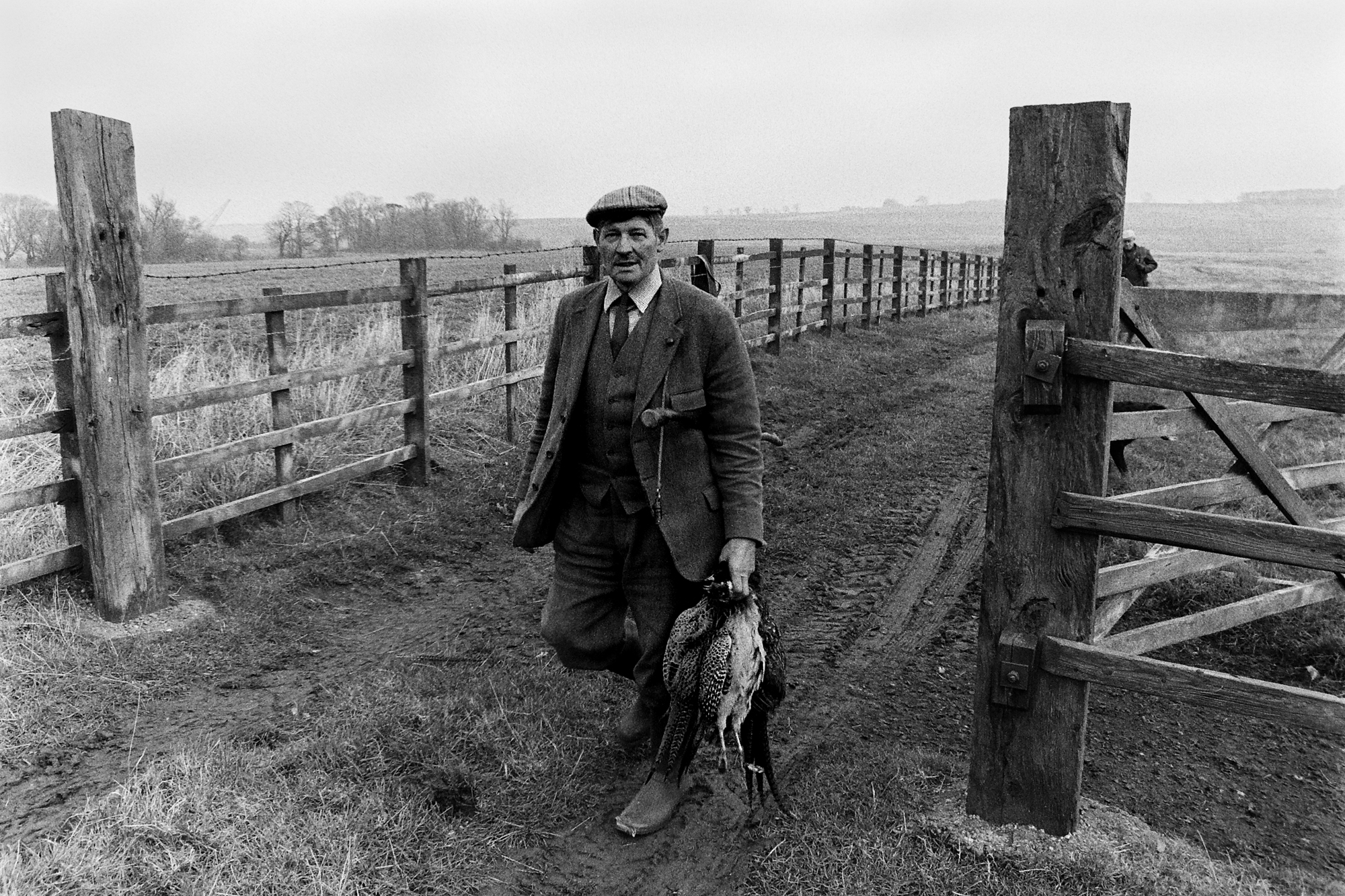
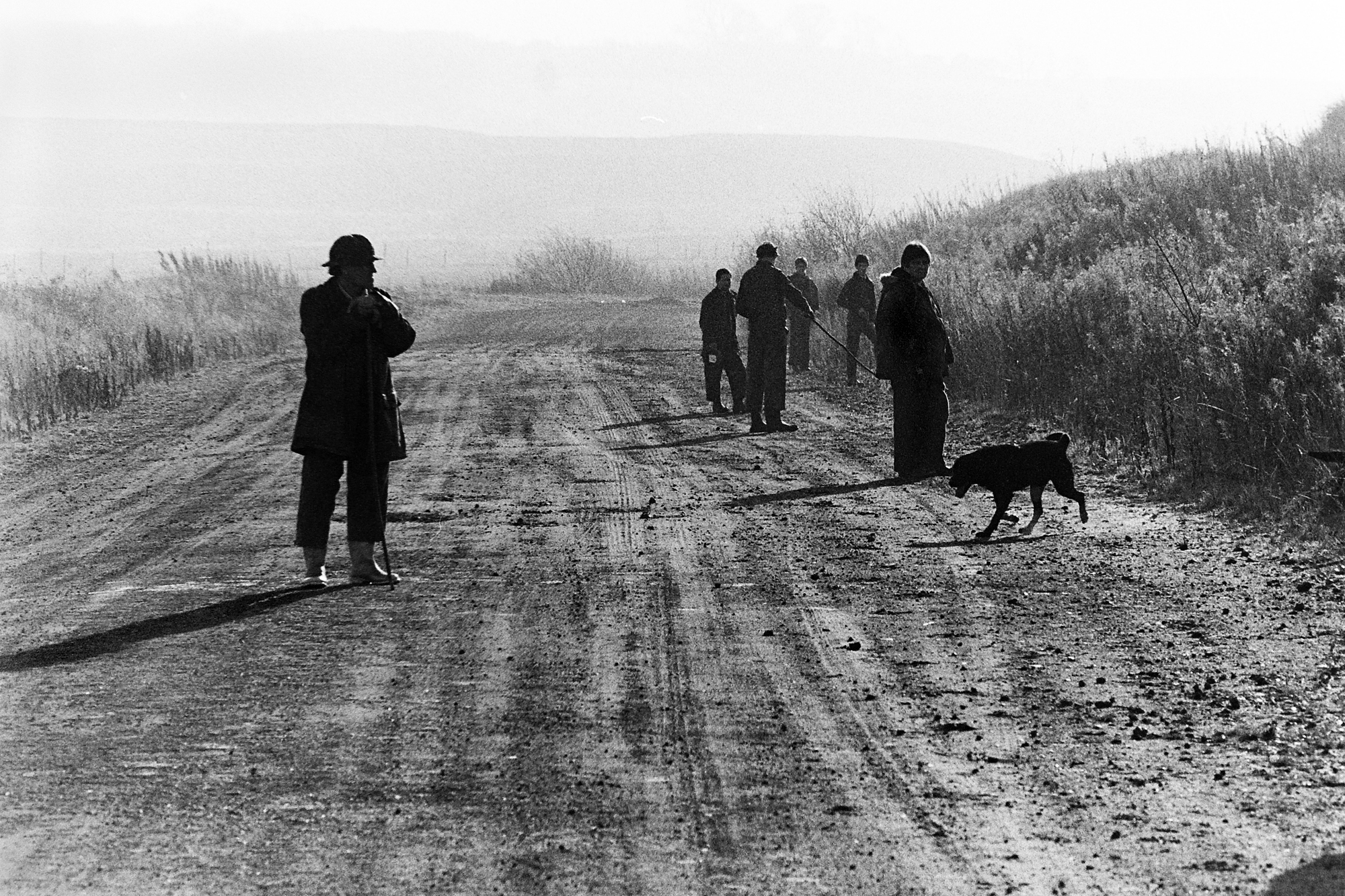
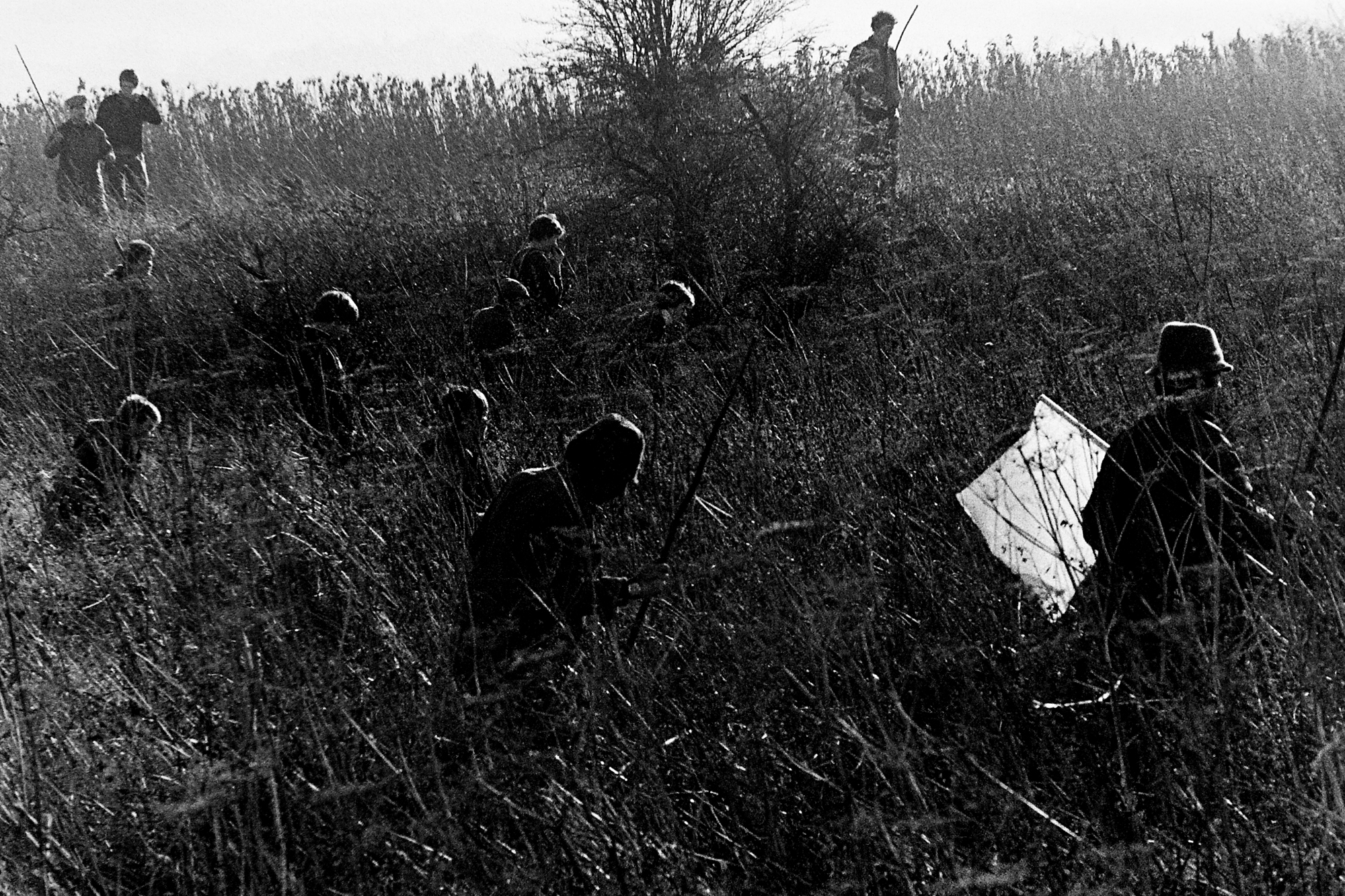
1981: it was chilly that early November morning, but dry. A fine mist was gradually disappearing but enough remained as the rising sun broke though to suggest this was going to be a reasonable day for photography.
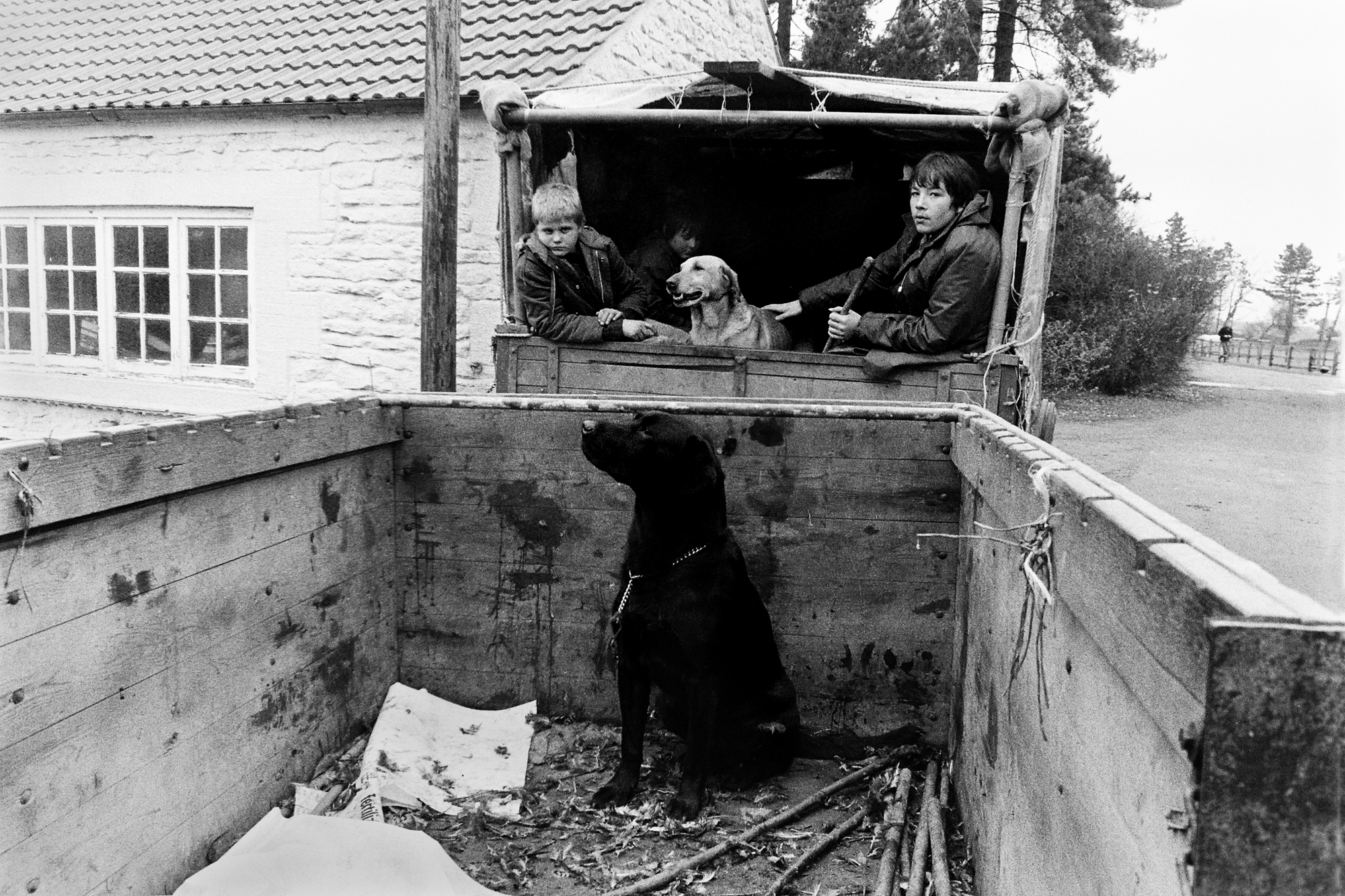
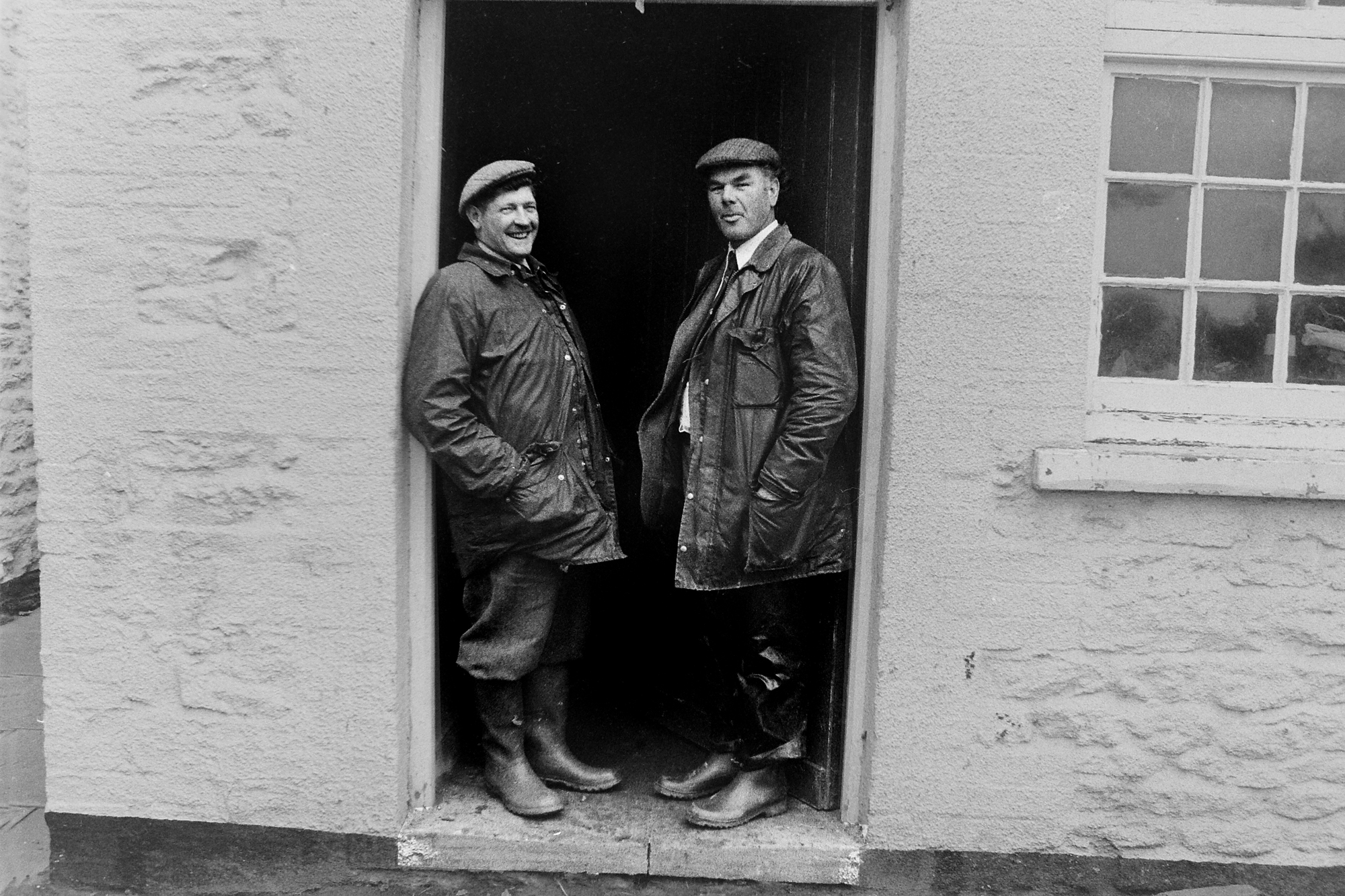
I was on an estate at Normanby, near the town of Scunthorpe in Lincolnshire. There was to be a pheasant shoot and I met the head gamekeeper, a cheerful chap, who gave me the lowdown on how he expected the day to pan out. Before the arrival of the shooting party there was much organisation to be done, he had colleagues to brief and hired local help to instruct.
The estate was extensive; a mix of forest and scrub, parkland populated by deer and arable farmland (on a visit to the area in the summer of 2018 I noticed it now hosts a wind farm, too); the job of the gamekeeper was to ensure a healthy environment for the wildlife population and, in the case of game birds, limit predation in order to maintain a harvest-able surplus for days like this one.
I don’t intend to get into the current ‘cruel sport’ debate as this is my looking back to a slice of country life; pheasants shot provided dinner for the party, provided a domestic supply and any surplus went to the local game market (see my earlier blog for a taste of that).
It all went very well; the local help ‘beat’ the scrub, the dogs behaved and the guests were happy. I got the impression that the gamekeeper and his team were having a thoroughly good time – it was a grand day out.
The photograph above provides a clue as to why, when switching from film to digital (I put that move off for as long as I could), I chose to stay with Olympus. The OMD EM5 had the same feel as the OM1 I had been using when out and about in the many streets, byways and highways I have been walking for nearly 40 years.
I studied photography at Trent Polytechnic in Nottingham (UK), graduating in the late 1970s. During the early 1980s I tried to make a go of it, but never managed to become a professional photographer; since then I have continued to do project based work for myself and have a visual diary of my life so far which is hugely satisfying.
I bought my first OM1 in 1980 along with a Zuiko standard lens. I added to my lens collection over the next few years and bought another body too, I still have all the gear and it all still works fine. The photograph below shows everything I had possessed up until my change to digital.
My old Olympus gear, shot with my OMD!
The great thing is that, using an adapter, I can use my old lenses on my digital camera. The focal length alters, of course, but it gives me options. Or gave me; to cut a long story short, my shutter failed whilst trying out my old 200mm lens and I can’t get it into my head that this was probably nothing to do with the lens. This happened a couple of years ago and I’ve never used the adapter since. My bad. I was only a week or so without a camera, Olympus Thailand did a great job in replacing the shutter and the repair was way, way cheaper than having to shell out for a new body, which I couldn’t afford to do anyway. This episode didn’t put me off Olympus cameras and mine has worked fine since then.
I haven’t been able to get out of my old habit of occasionally looking through the viewfinder for quite a time, waiting for things to come together; this didn’t matter in the old days but can be a problem with the digital video display, due to battery drain. Easily remedied by carrying a fully charged spare battery, just in case. Luckily I don’t make that many photographs – almost as if it was still 1980 and I was down to my last roll of tri-x – and this economy means I can continue to work as I always have.
Though I mainly use my short zoom I did buy a Zuiko digital 17mm lens. This is a very small lens and, with an aperture of f1.8, it’s pretty fast. Coupled with the compact size of the OMD, it is perfect for those times when I don’t want to be too visibly a photographer; I’ve never used a camera bag either, much for the same reasons. And I tend to dress down, but I digress. So there you go; I’ve looked at other cameras, including the second and third generation OMDs, but have yet to be tempted. It may be that the things are too expensive and I can’t afford to change – or it may be that I am quite happy with what I’ve got.
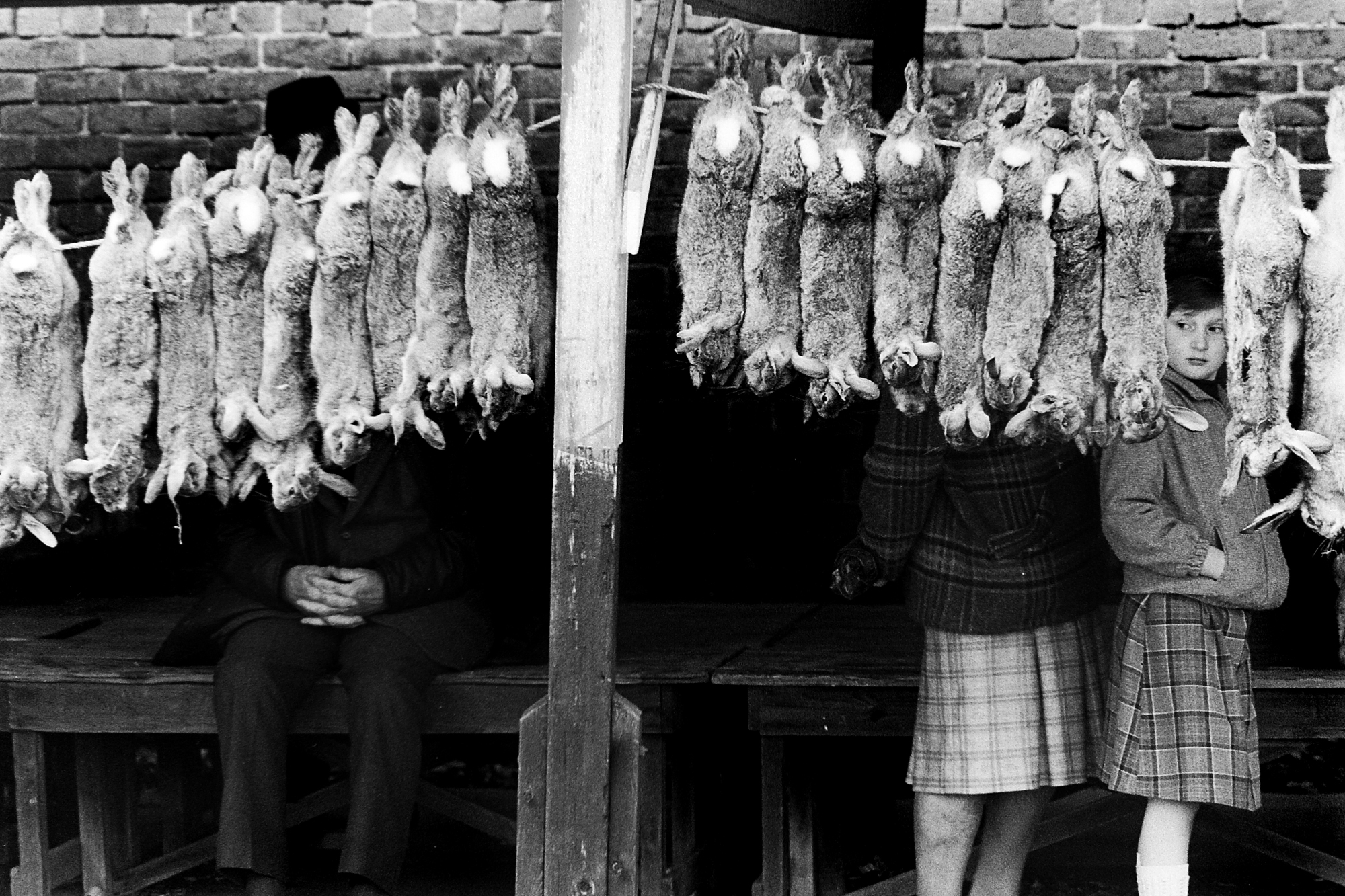
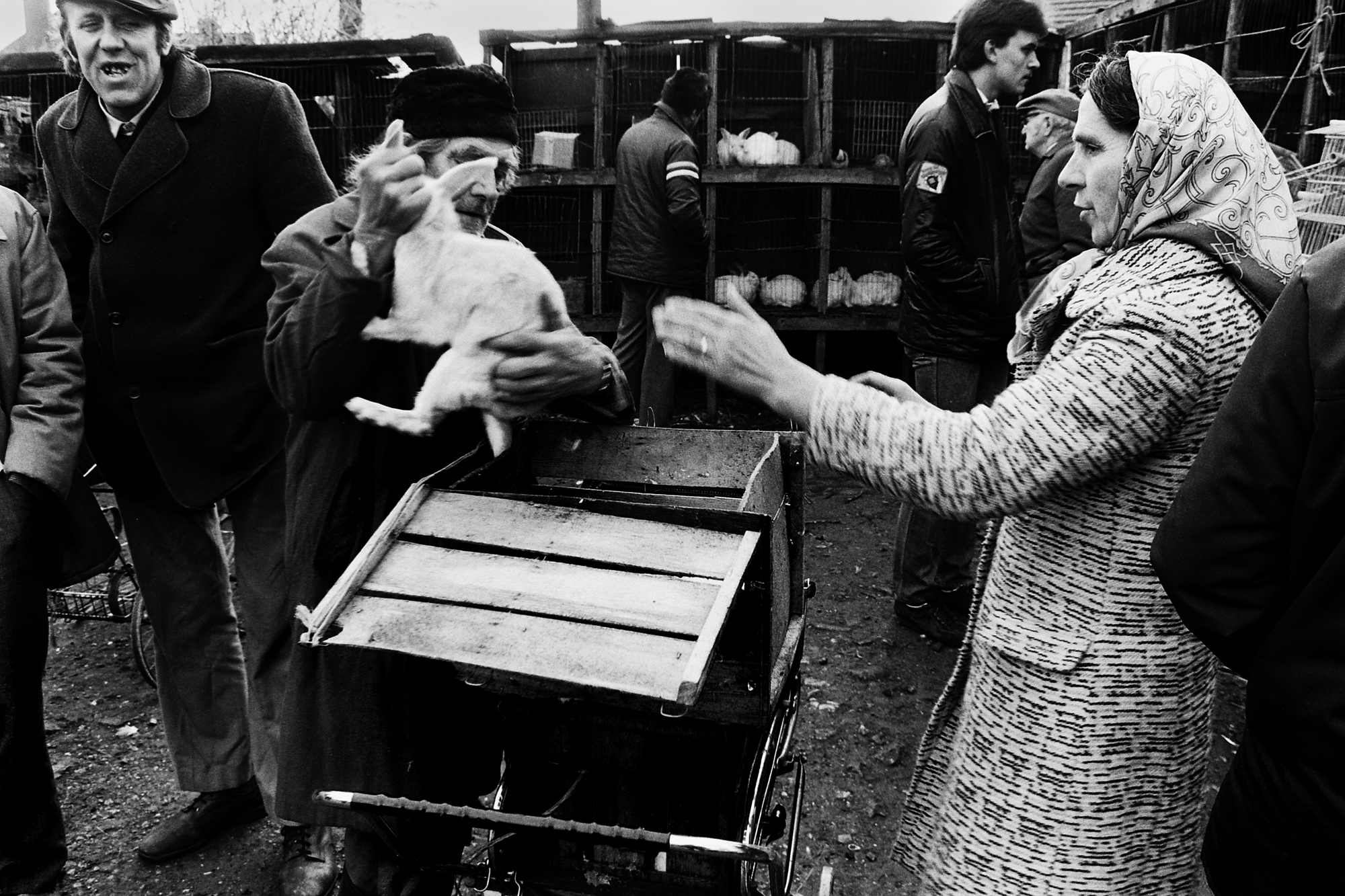
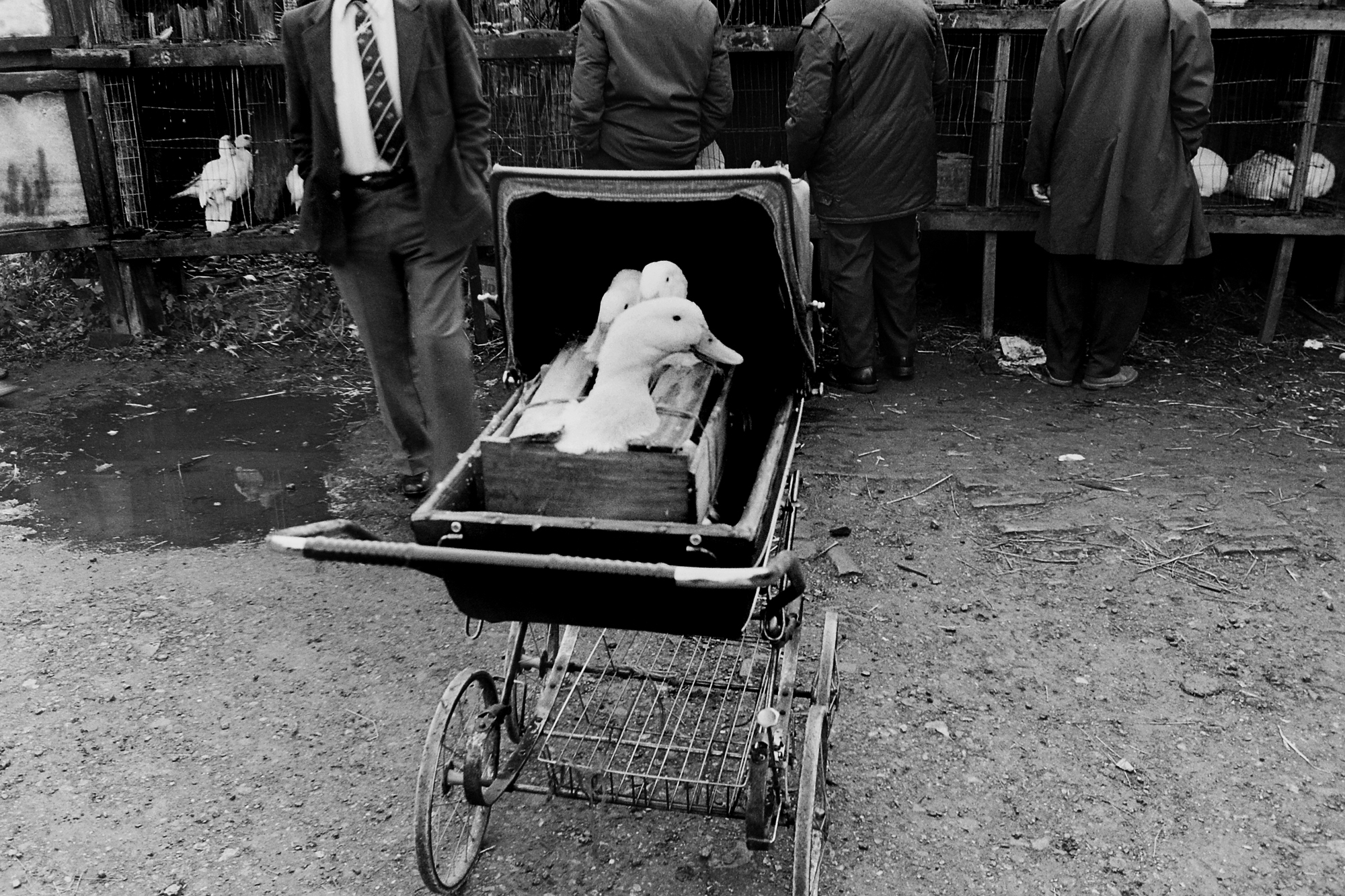
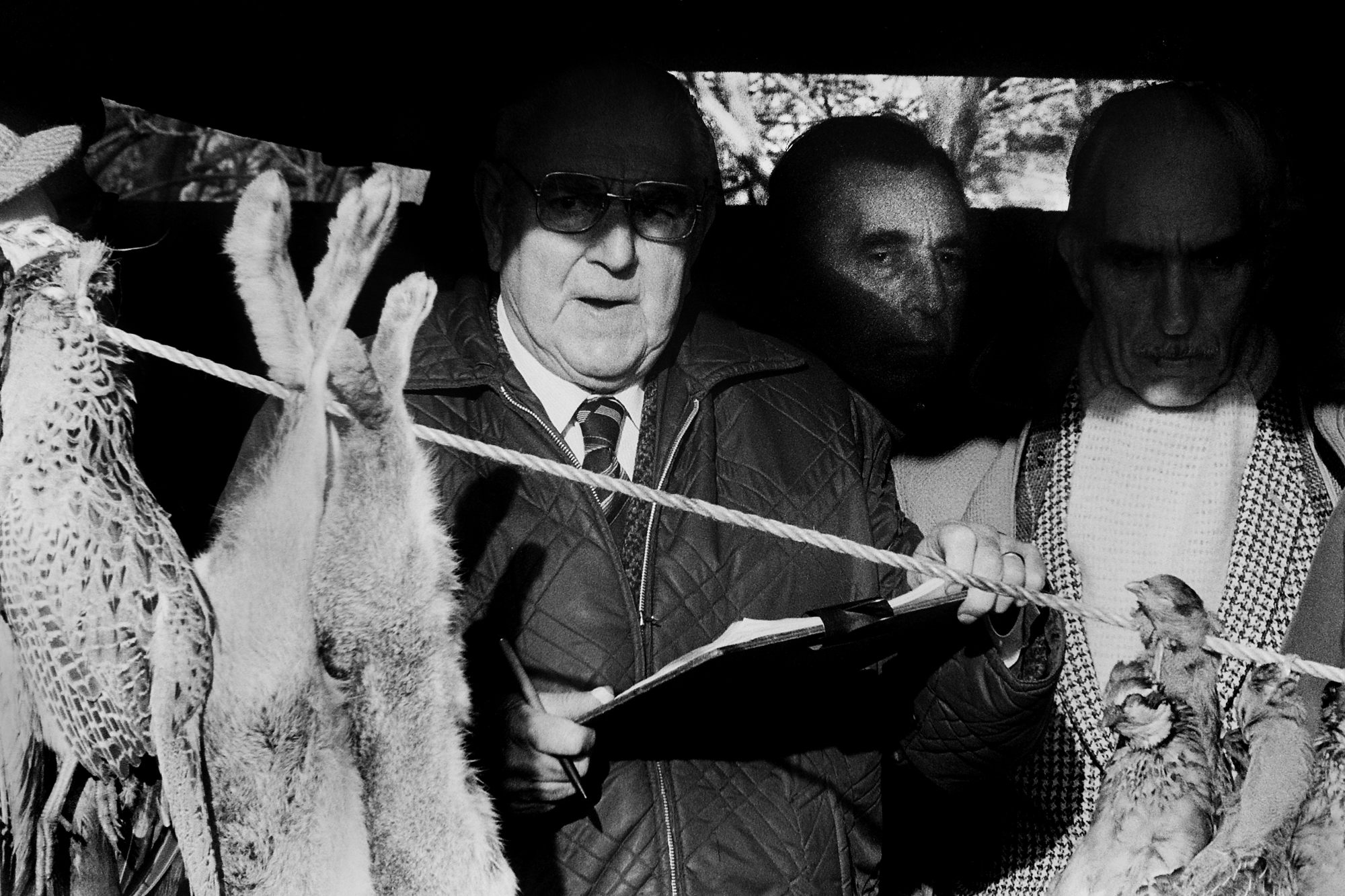
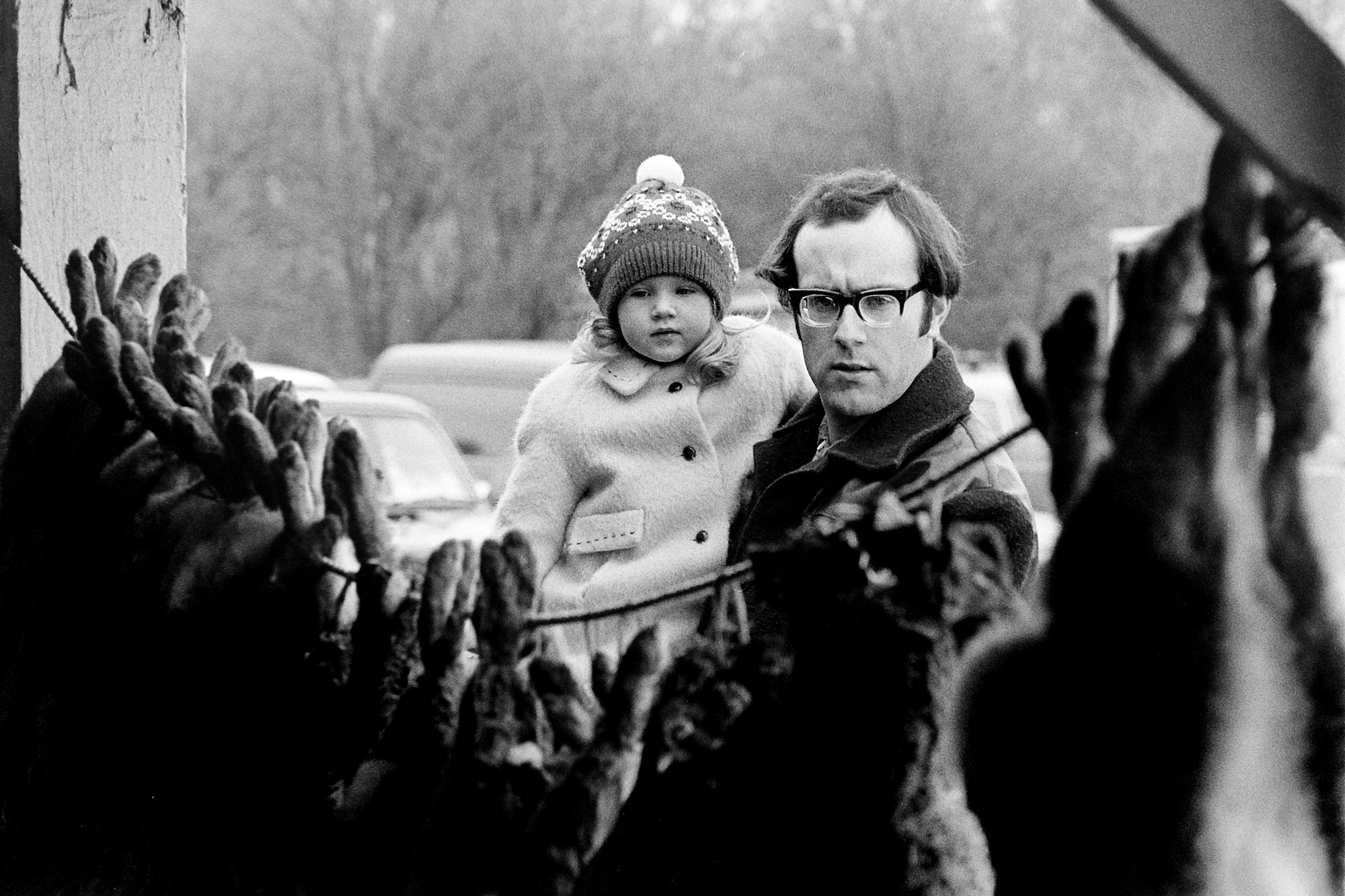
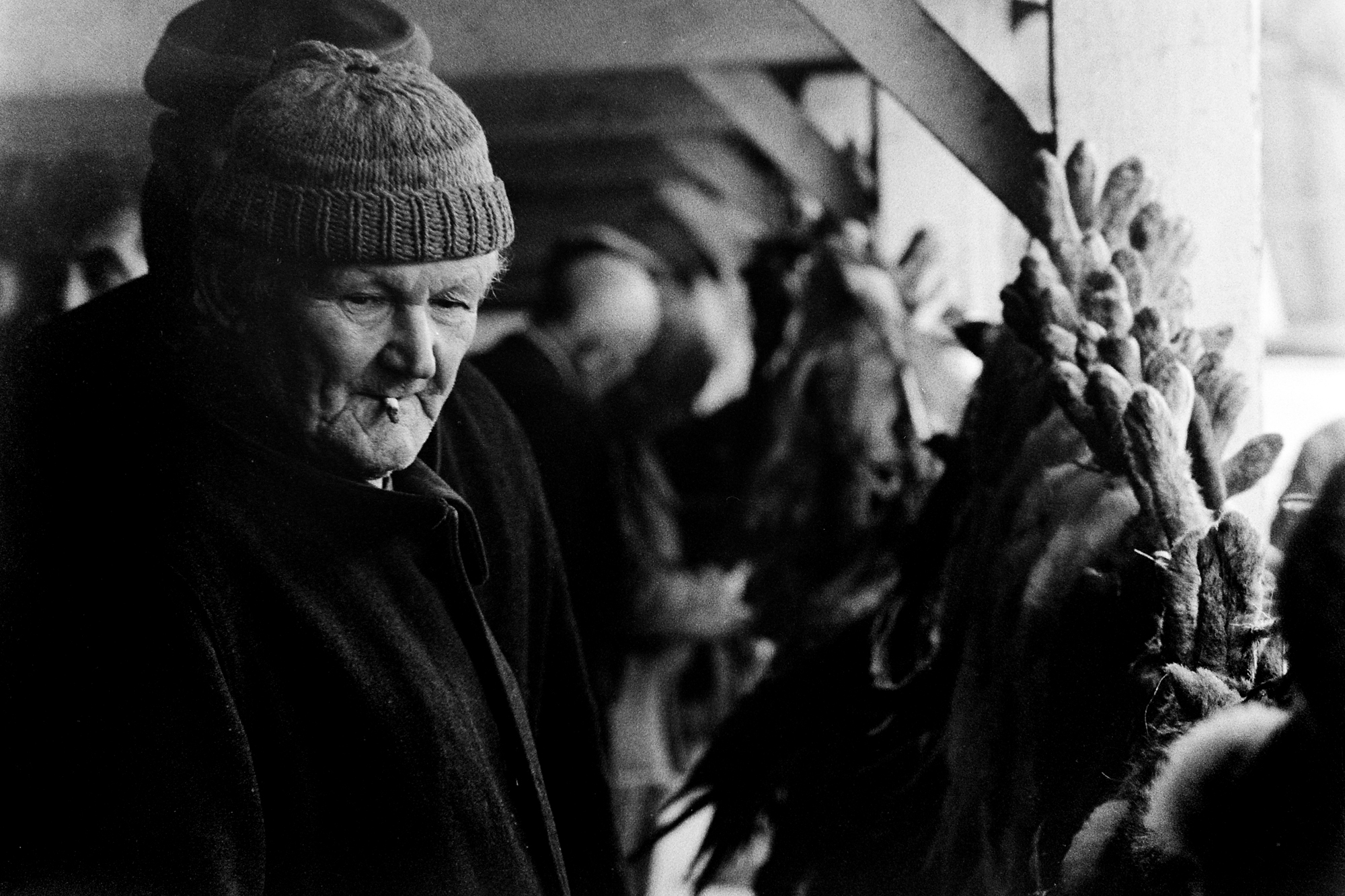
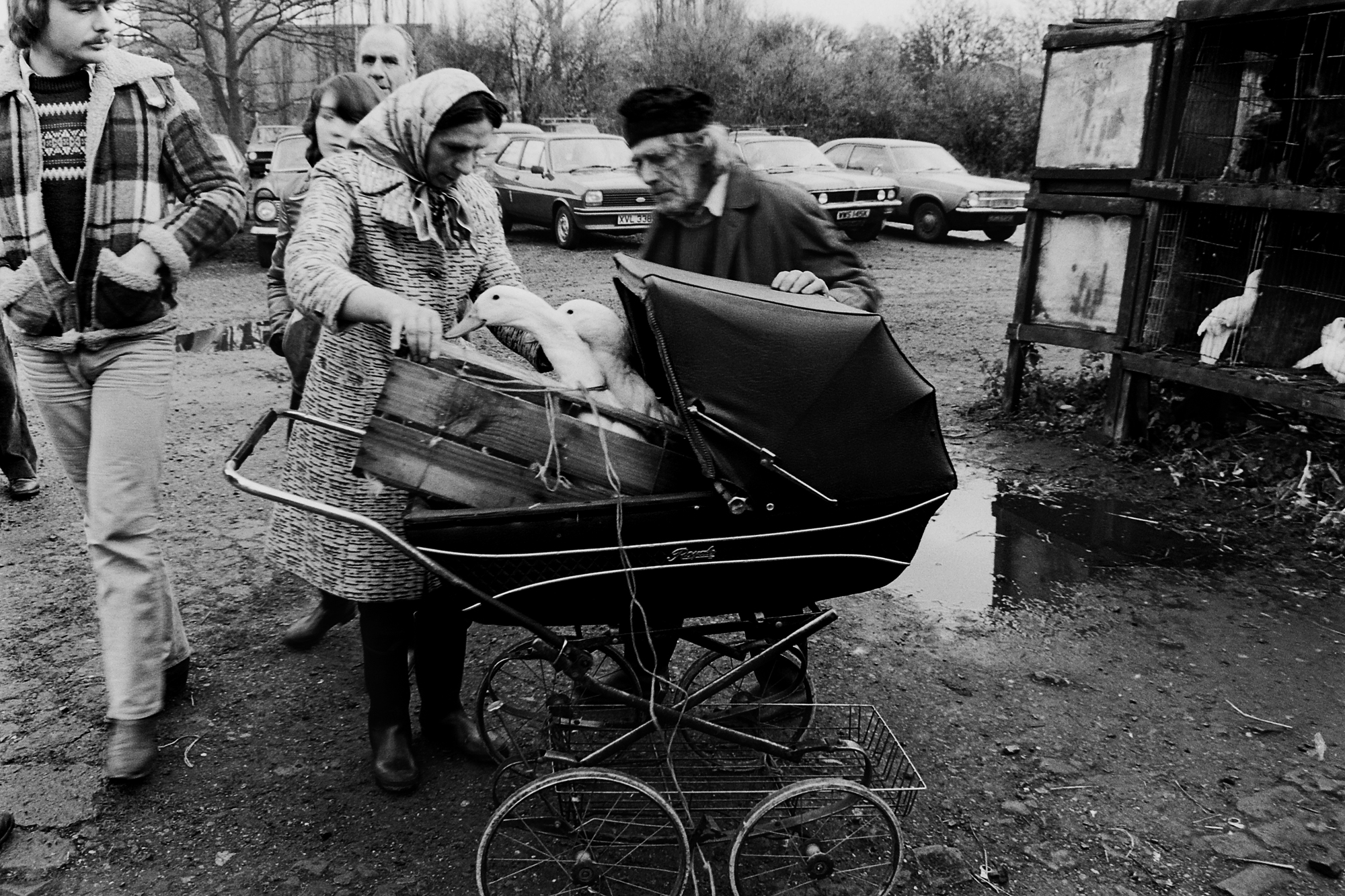
To be fair, I couldn’t have picked a more miserable day to visit the Poultry and Game Market that took place in the town of Brigg, Lincolnshire sometime during November 1981. The cold, wet and very overcast conditions were, on the face of it, far from ideal for photography. Once I had taken a good look around and got a feel for what was going on – it was a busy day and the auctioneer wasn’t hanging about as he guided his entourage of interested customers through the many lots on offer – I realised that I would have to work quickly if I was going to get anything worthwhile from the trip.
The combination of speedy reactions, slow shutter speeds, the use of a long lens as well as my preferred wide angle, produced photographs often with movement and suspect focus; the ‘pushed’ film gave a very ‘gritty’ look. On reflection these factors conspired to form, for me, a fairly accurate idea of how I experienced the scenes and an interesting series of images. I discovered the negatives – stored away in my brother’s garage – in 2016. Up to then I hadn’t used the photographs; many have never been printed up.
The market, run by the Stennet family, was characterful with a fabulous mix of local townspeople, country folk, farmers, market traders, shopkeepers, smallholders, the old, the young and the curious. Whilst the hares and the pheasants were clearly dead, much of the poultry was very much alive and occasionally frisky. Comedy and drama….
It was a grand day out and for me an eye-opener. Although I attended the Grammar School, as a boarder, in Brigg from 1966 to 1973 I had never visited this market. My personal project, ‘Notes in Passing: Lincolnshire’ was started in 1980 and presently continues; this visit ranks among the many highlights both in terms of both my photography and my personal experience of this fascinating world we live in.
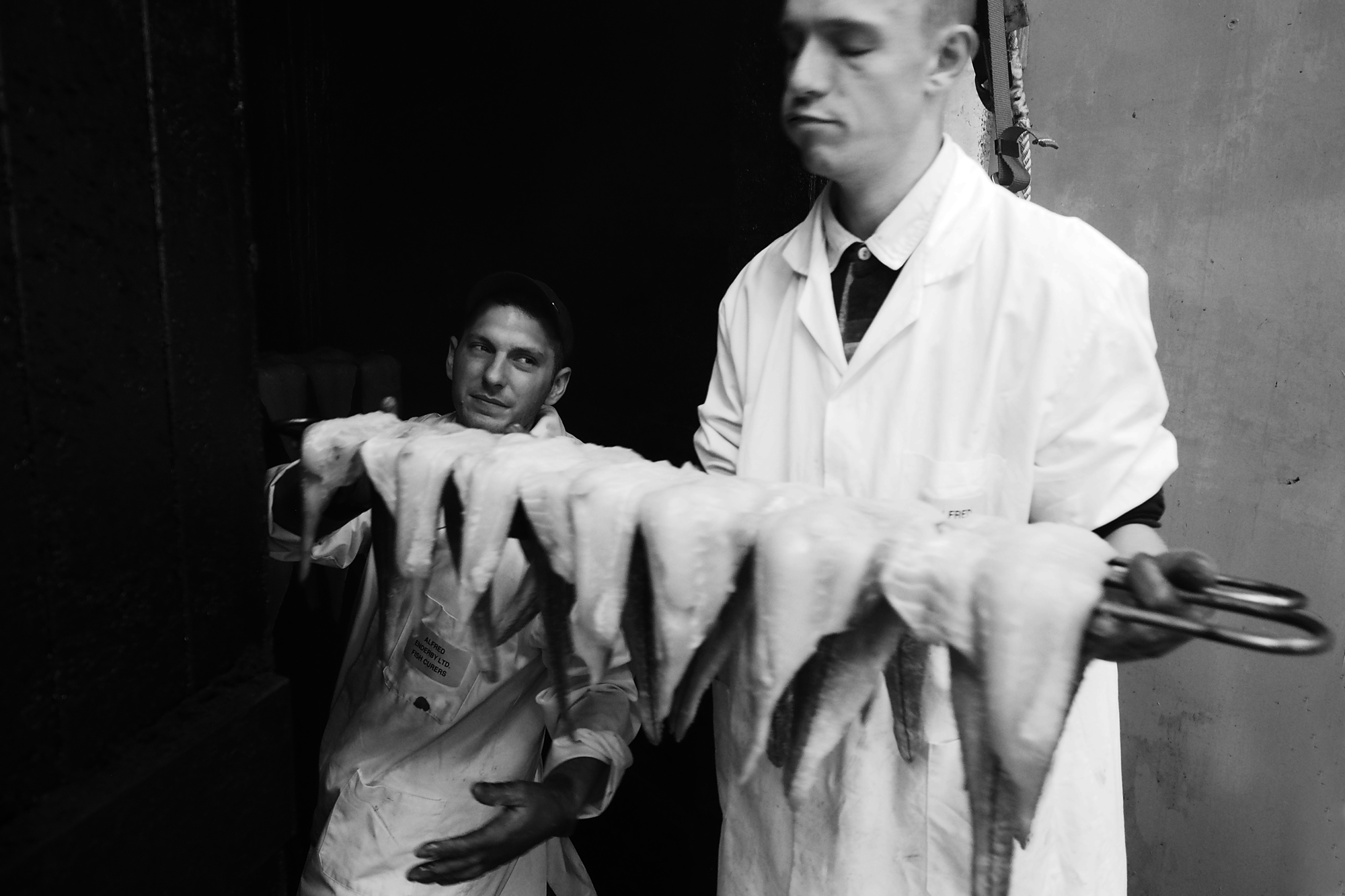
The smokehouse stands, as it has done for a century, on the fringe of an area of Grimsby Docks known locally as ‘The Casbah’. Alfred Enderby had been working at the smokehouse for many years before buying it in 1961. Eventually the business was passed on to his son, Richard who, in 2016 and after 42 years with the company, decided to call it a day. My brother, Patrick Salmon (pictured above) – a regular customer – bought the business. I made these photographs during a visit in the summer of 2017.
………………………………………………………………………………………………………………..
As the photographs above and below show, the Casbah is a long neglected area. Within my own memory I remember it as a busy place; smokehouses, ship chandlers, fish merchants cafes – the last one closed only a few years ago – and outdoor clothing suppliers. Plans are underway, I believe, to regenerate the area. Let’s keep our fingers crossed.
…………………………………………………………………………………………………………….
The close proximity to the Grimsby Fish Market – a mere stone’s throw from the smokehouse – is an advantage; fish is bought fresh in the early morning, filleted and prepared for overnight smoking and dispatched the very next day. This maintains the excellent quality of product for which Alfred Enderby’s is justifiably renowned (I’ve tried it and it is exquisitely delicious). In 2009, the smoked haddock was awarded Protected Geographical Indication (PGI) and last year both the smoked haddock and the smoked salmon won Great Taste Awards from the Guild of Fine Food. Endorsed by chefs throughout the country – including Marco Pierre White, Gary Jones and Aaron Patterson – the brand is steadily building.
……
……
The team are dedicated to the cause and expert at what they do; they put up with my presence in friendly fashion and when they chatted about the job it was with genuine enthusiasm. I even got to have tea break with them which produced my favourite photographs (below).
I really enjoyed my visit and will be there again this coming summer. I’m proud of my brother with his philosophy of maintaining traditional values and producing as good a quality product as is possible, pleased that his wife and daughter are getting involved and I really can’t wait to try some more of that awesome fish.
……
……
………………………………………………………………………………………………………………………………..‘I’m not interested in making massive amounts of money. My objective is to produce something really beautiful’
For the tech-minded, the camera used for these photographs was an Olympus OMD EM5 with a Zuiko Digital short zoom lens.
Photographs taken during the 1981/2 season at the Old Showground, once home to Scunthorpe United Football Club
It has to be said that I was, and still am, a fan of Scunthorpe United’s arch-rivals, Grimsby Town. However, I was living in Scunthorpe at the time – generally twiddling my thumbs – and thinking about a subject for my first real photographic project. I was three years out of college with a degree in photography under my belt, had failed to find a way of actually supporting myself as a photographer and needed a challenge. To this day, with many projects under my belt and never a day passing without my camera at hand, I never did become professional. What I do have is a visual diary of my life so far and this project is a part of that.
Ron Ashman
I remember the day I walked into the manager’s office with my proposal; Ron Ashman was a man one felt comfortable with immediately and he offered some encouraging remarks as I floundered through a rehearsed proposal. I was given ‘carte blanche’ to make photographs at the ground, which was more than I had hoped for. I made a photograph of him at the end of that meeting and, although I made many others over the course of the season, it remains my favourite (above). I didn’t know it at the time but this was to be Ron’s final season in football management and, on hindsight, I think that the empty boxes by his desk lend a certain poignancy to the portrait.
Mrs Louth
Mrs Louth, the club secretary, was one of few women working at that level in the English Football League at the time. She was one of the many people I met during the project who accepted me with warmth and genuine interest in what I was doing. She was usually kept busy and was just about to dash off when I managed this photograph of her (above).
Ron BarnesRon at his ‘Office’
I visited the ground on several occasions ‘out of hours’ and particularly enjoyed chatting with the groundsman, Ron Barnes (above). I never saw him without a suit and tie and can remember the pride he had in keeping the pitch in good shape. Not a big club, the ‘Iron’ were nestled in the bottom third of the league’s lowest tier – Division Four in those days – throughout the 1981/2 season, but Ron Barnes treated it as if it were a big club and his attention to detail was remarkable.
The Development TeamPromotions Rep
A promotional department was a new development for the club; I don’t remember the names of the two guys employed to make it happen (above, left) or of the girls who worked with them on match days (above, right). I remember a prize draw was one of the tactics used to add to the club’s coffers.
Charlie Strong
Charlie Strong, the club physiotherapist (above), allowed me considerable time in his treatment room. He was fascinating to talk to, was on top of his game and had a sympathetic and encouraging manner when dealing with players concerned about the effect an injury would have on their ability to get out and play.
St John Ambulance Volunteers
It never really occurred to me just how grand a job the St John Ambulance, a volunteer-led and charitable organisation, do at events like football matches. This young fan was lucky to have them around (above).
Ex SUFC player, Kevin Keegan
As well as the above mentioned I met many others: fans, players, match officials and auxillary staff. I even got to travel on the team coach once for an away match at Wigan. I am still sorting through old negatives which only came to light when I discovered a box full in a relative’s garage three years ago. I hope you have enjoyed this modest selection; for those who are technically minded the camera used was an Olympus OM1, the lenses were Zuiko and the film of choice was Kodak Tri-X Pan.










 nic salmon's notes in passing